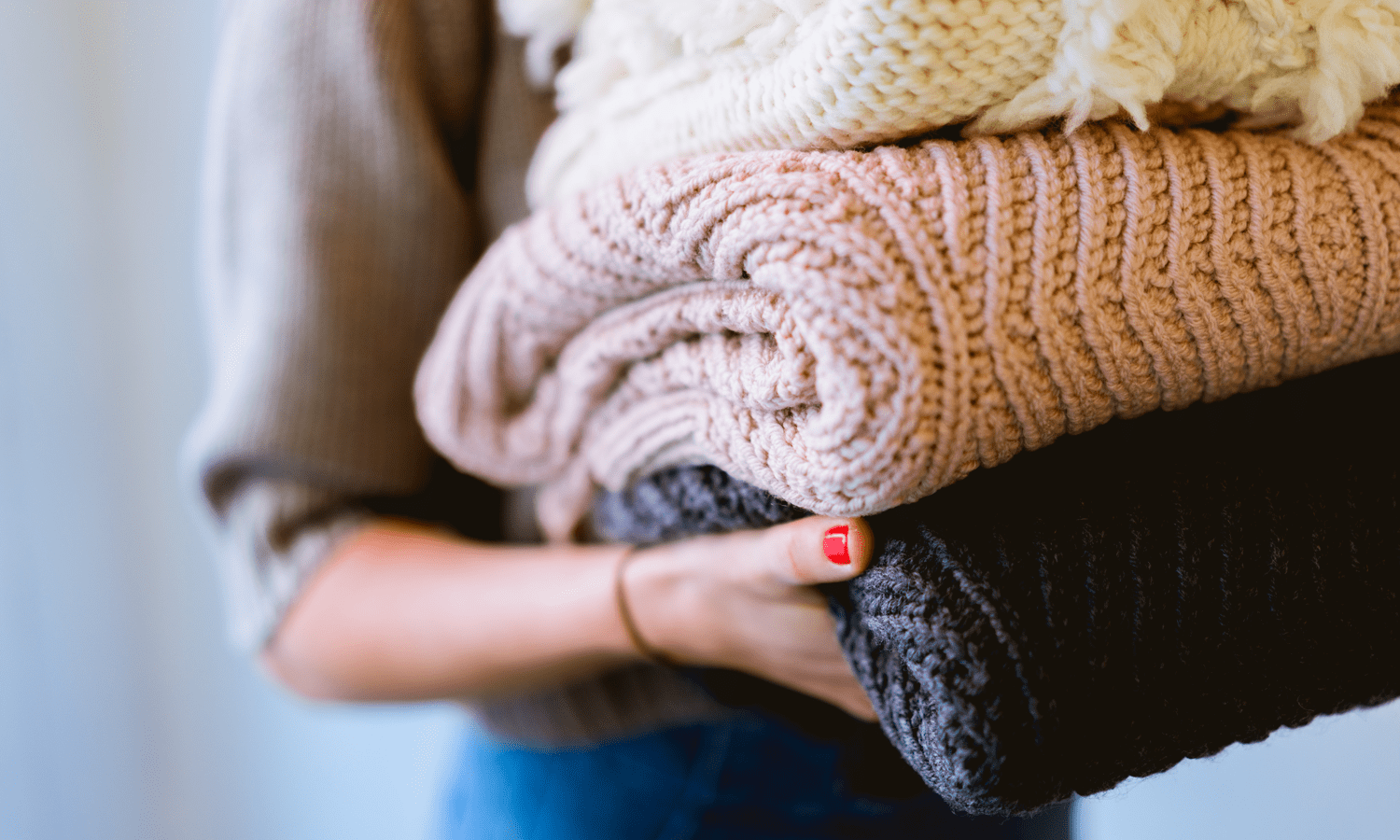

Especially in the 90s, fur-covered coats, feathers, exotic leathers, etc. were considered as a luxury symbol. Even if nowadays some countries and brands ban the use of animal material for the production of clothing, the exploitation and torture of animals in the fashion industry unfortunately remains a harsh reality. On October 4th, World Animal Day, we want to remember that fashion does not have to be cruel...
THE HISTORY- WORLD ANIMAL PROTECTION DAY
Francis of Assisi - founder of the order of the Franciscans and patron saint of animals - saw all animals, no matter whether large or small, as God-willed and worthy of protection. Thus, the origin of the animal protection movement started already quite some time ago, around 1226. Since 1931, the world animal protection day has been celebrated also on an international level, on 4th of October, the memorial day of the holy Franz of Assisi. Since then, animal protection organizations use this day to draw attention to mistreatment of animals because some animals are still not kept species-appropriate, which means that they do not get medical care and enough space, as well as are fed unhealthy. This also includes pets (Bundesministerium für Ernährung und Landwirtschaft, 2022).
ANIMAL ABUSE IN THE FASHION INDUSTRY
Billions of animals are sacrificed each year for the fashion industry. These include mink, foxes, wolves, raccoons, bobcats, opossums, beavers, otters and other fur-bearing animals (Ecolookbook, 2022). The vast majority of them suffer the measures of factory farming and are killed for skin, wool, feathers, or fur. In cramped and filthy spaces, they are robbed of their freedom and tortured for life. Live-skinning, anal electrocution, gassing... - the list of cruel acts is endless. The worst thing about it is that these killing methods are not based on the protection of the animal. Instead, the main priority is the quality of the fur, which must be preserved for sale. In China alone, up to 70 million animals are killed annually for the fur industry. Of these, over half is imported for the European market (Tierleid in der Mode. Geschichte und Herstellung von Pelz, 2015).
LEATHER
Often there are no markings on the leather, so you never know exactly which species was used and from which country it comes. Mostly the leather comes from developing countries because there are no animal welfare laws. Cows, goats, sheep and pigs, but also exotic animals such as kangaroos, alligators or ostriches are sacrificed for the production of leather. In China, cats and dogs are also slaughtered and exported worldwide (Ecolookbook, 2022).
FUR
Used for clothing in the form of fur pom-poms, fur collars or as accessories on jackets and scarves - every last bit of fur involves animal cruelty. In many breeding farms, fur animals are kept in tiny wire mesh cages. This includes foxes, minks, raccoons, lynxes, but also typical pets such as hamsters, dogs and cats (Peta Schweiz, 2022). The problem is that many EU countries do not specify additional regulations for fur farming. However, fortunately, more and more countries are choosing to introduce stricter national laws or ban fur farms altogether (Vier Pfoten, 2022).
WOOL
Sheep and goats are often abused to obtain cashmere and mohair. In fact, shearers are usually not paid by the number of hours, but by the amount of wool, which is why the sheep is injured by the fast and negligent shearing. And not to forget: The "shearling" trend. Many consumers think that this is sheared wool, but unfortunately this is a mistake: it is the sheep skin that is used with the wool. Unfortunately, it takes dozens of sheepskins to make a single shearling piece such as a jacket, boots or home accessories.
HOW CAN I MAKE MY CONTRIBUTION TO WORLD ANIMAL PROTECTION DAY REGARDING FASHION?
It is always good to consume more consciously and really question whether you want to contribute to animal suffering and, by the way, to environmental pollution too with your purchase of real fur. If your answer is "no", you should check for trusted brands to see if they make animal-friendly products.
After all, thanks to advancements in textiles, vegan materials are nearly indistinguishable from animal substances and are actually far superior to them. The most well-known vegan fabrics are probably polyester and cotton. The same applies to bamboo, hemp or other plant-based materials: They boom in our modern times! Extraction from cork, mushrooms, fruit waste or recycled plastic is also becoming more and more established as an alternative to animal leather. A counterpart to one of the noblest textile materials, the natural fiber silk, also exists: Plant based silk, which is made from by-products of food waste, such as soybeans. In fact, for one animal kilo of silk, about 6,600 caterpillars are killed. So, the vegetable silks are animal-friendly and additionally biodegradable and long-lasting (Ecolookbook, 2022).
Alternatives abound these days, which is why there is always a way to avoid animal suffering and still dress fashionably. If you're wondering which brands to shop for, take a look at our top 8 animal-friendly brands from every taste and size of the wallet.
TOP 8 MOST ANIMAL FRIENDLY COMPANIES
1. STELLA MCCARTNEY
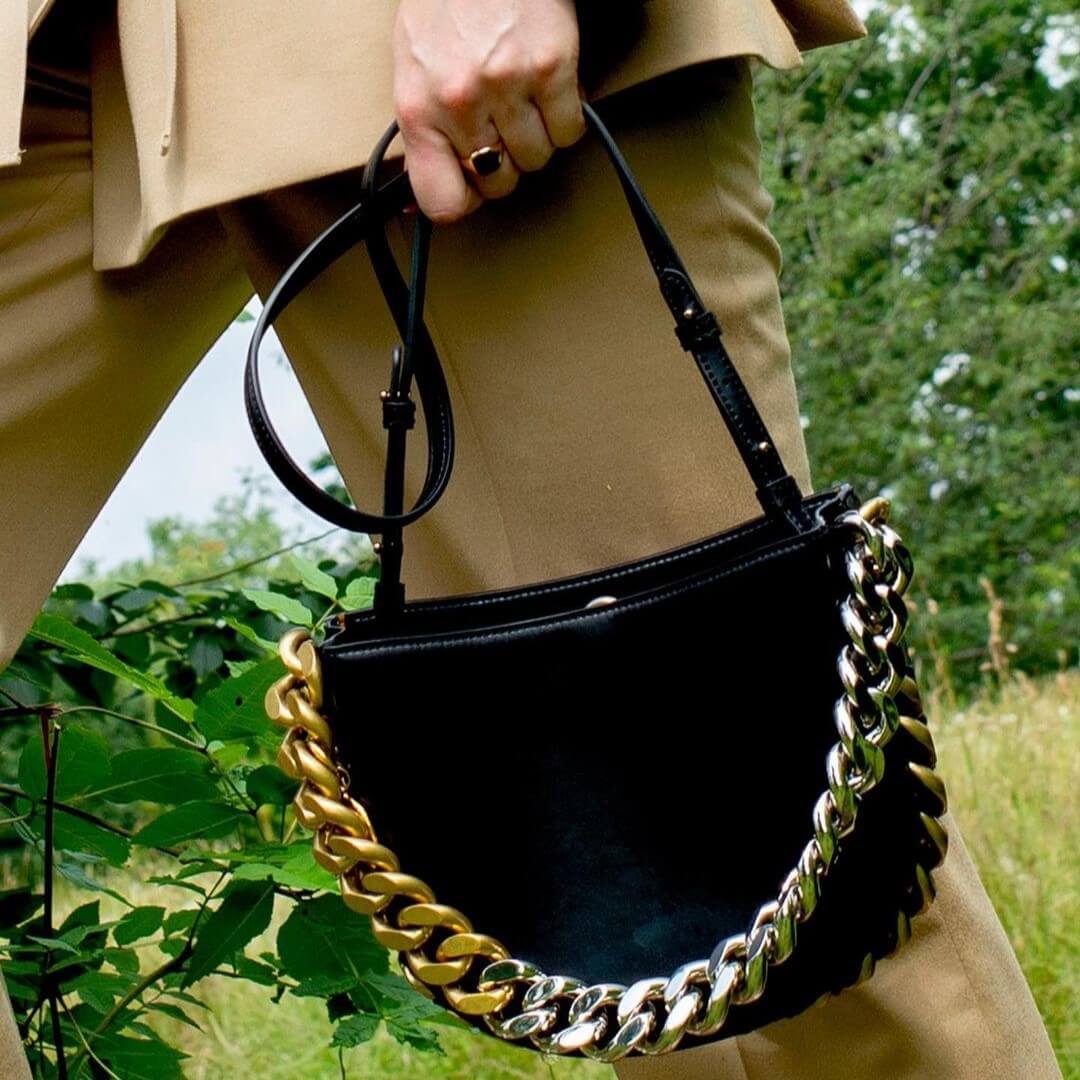
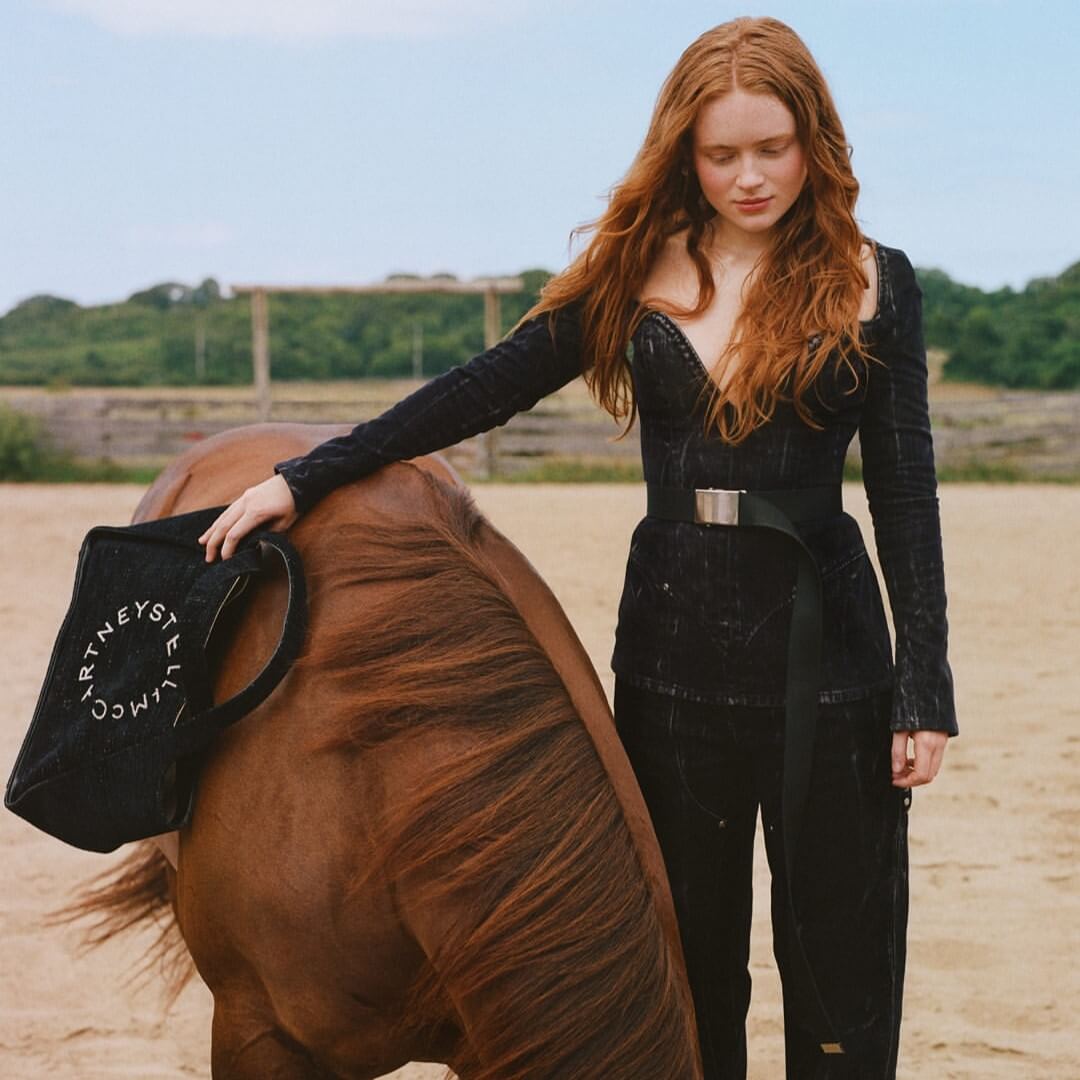

PHOTOS @stellamccartney
WEBSITE: https://www.stellamccartney.com/de/de
The anomalous luxury brand Stella McCartney boycotts the use of animal leather, feathers or fur and none of its adhesives contain animal by-products. The vegetarian brand also advocates against animal testing and toxic materials that can harm the environment, such as azo dyes. Furthermore, when shipping the clothes, handbags and shoes, the brand emphasizes sustainable packaging materials that come from FSC-certified wood and paper.
2. SAVE THE DUCK

PHOTOS @save_the_duck
WEBSITE: https://www.savetheduck.it/ce_en
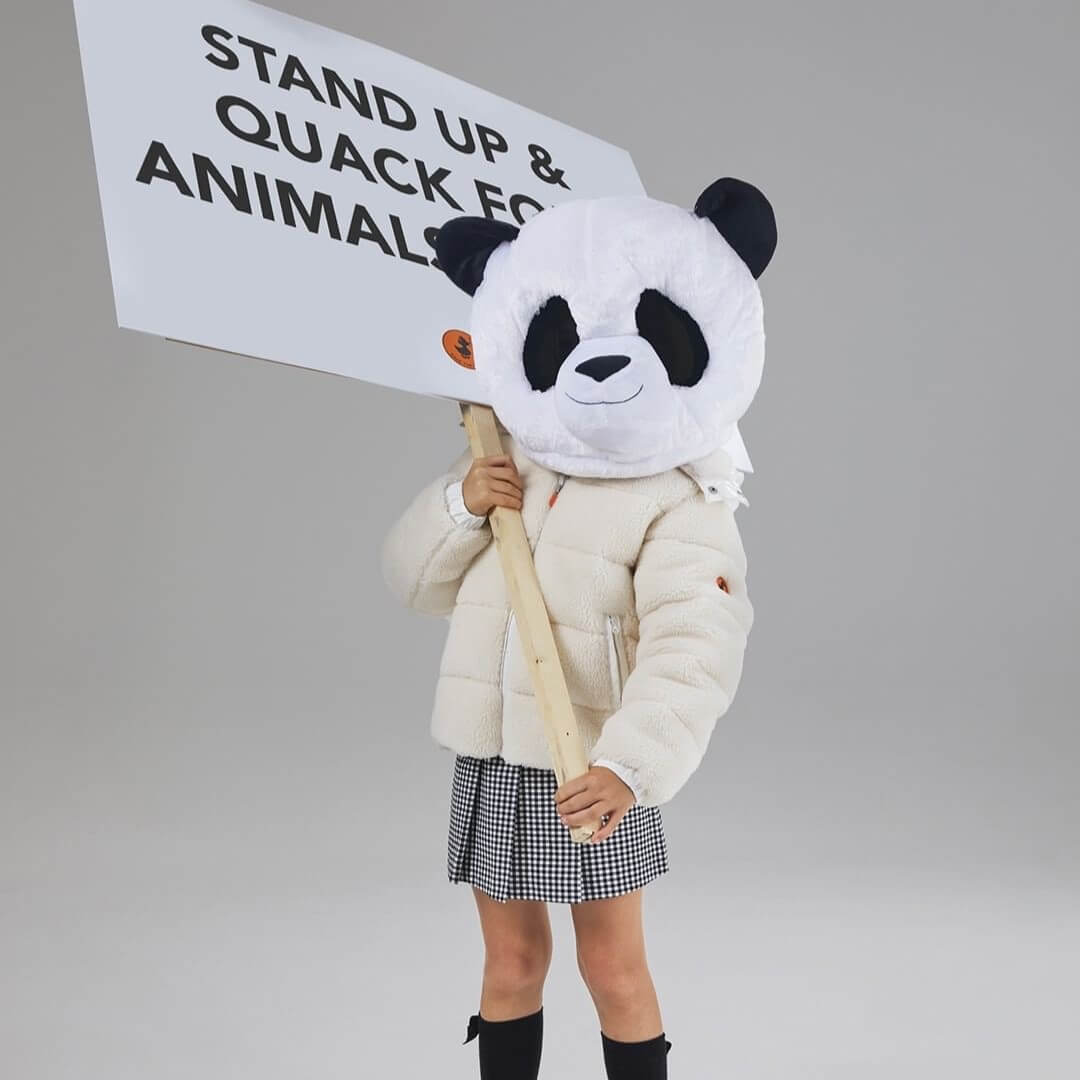
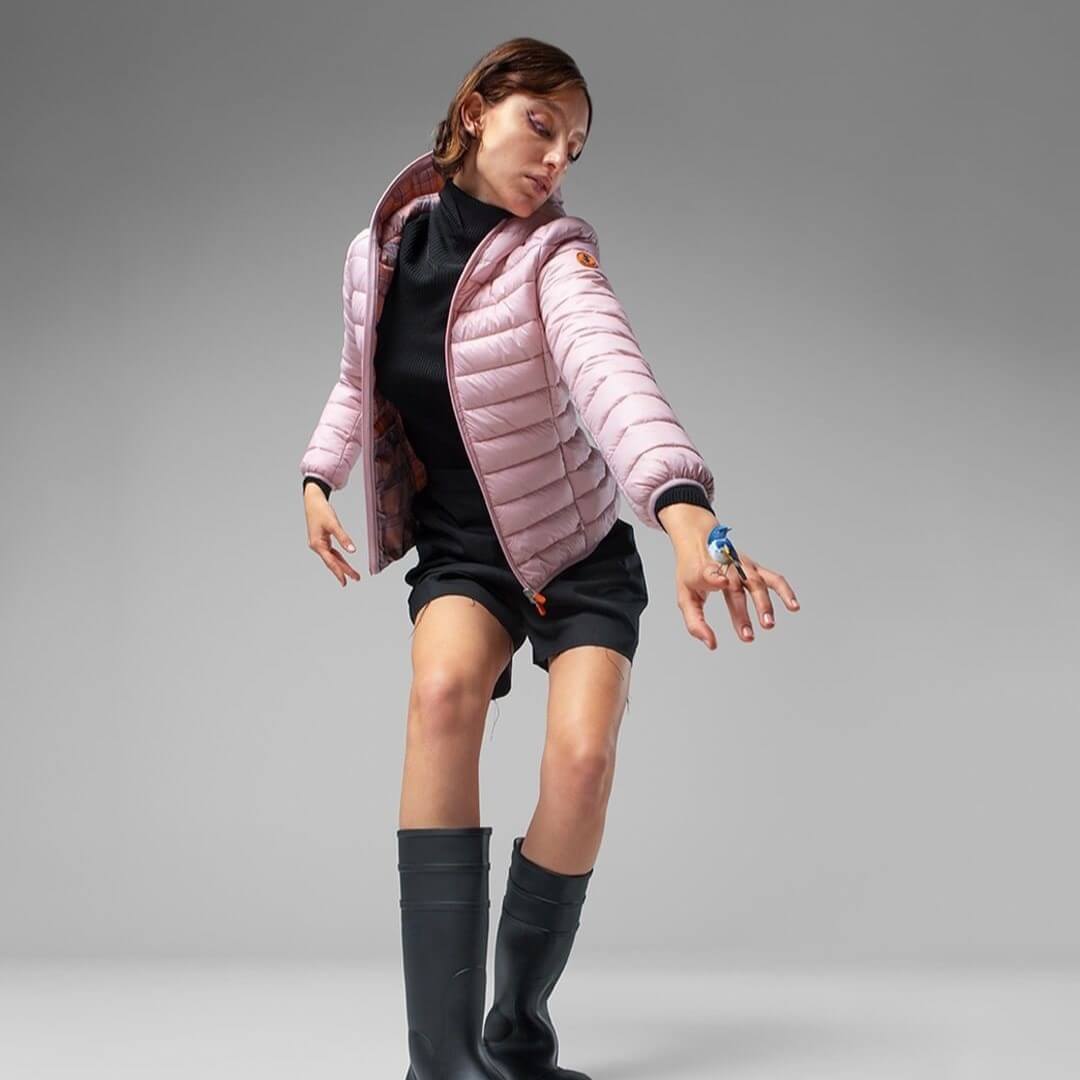
An innovative Italian fashion brand, Save The Duck has turned it into their mission to design jackets that are both fashionable and animal-friendly. As the brand name suggests, they do not use animal materials for their products. This saves animals, such as geese and ducks.
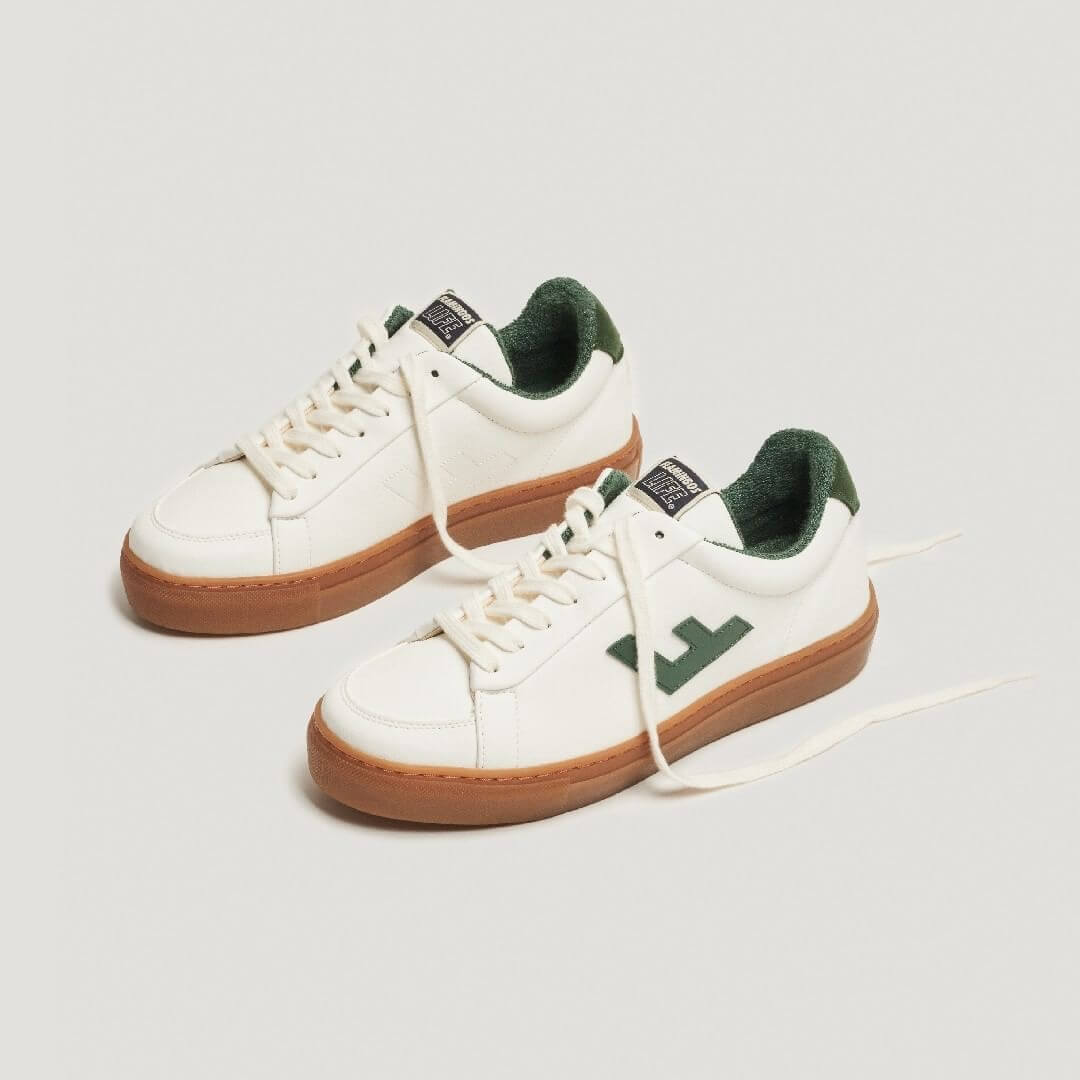
3. FLAMINGOS LIFE
PHOTOS @flamingoslife
WEBSITE: https://www.en.flamingoslife.com
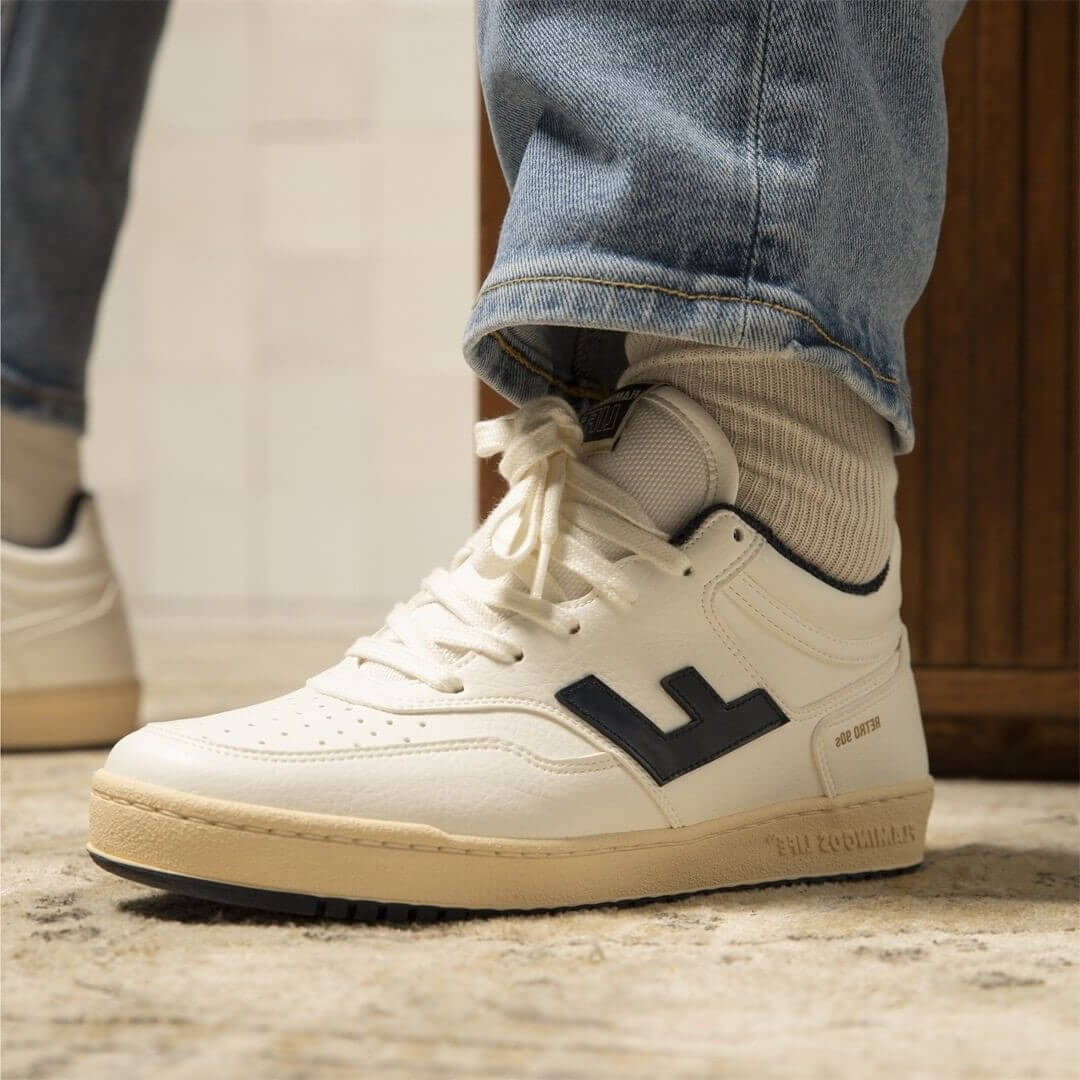
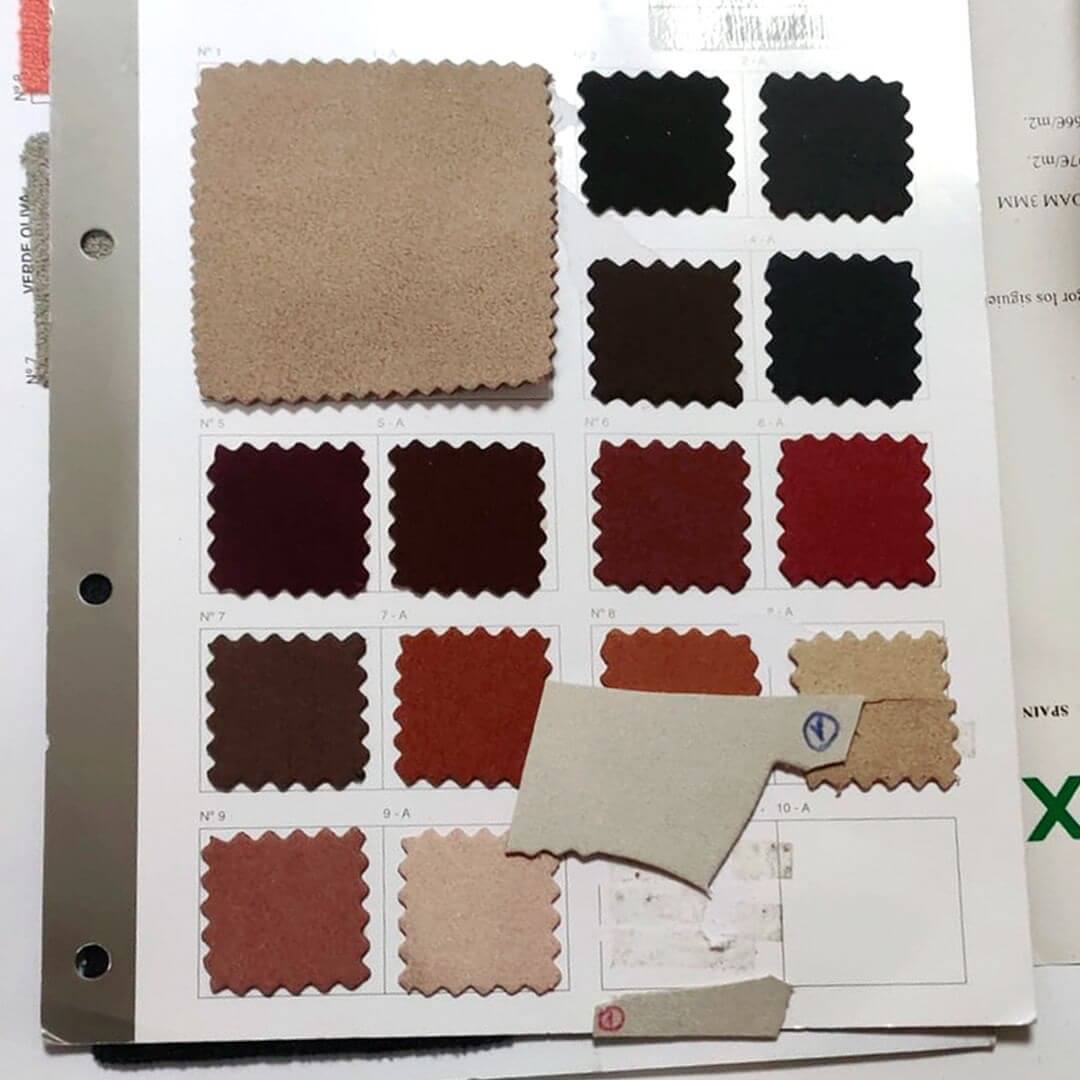
The Spanish shoe company is committed to animal rights, the environment and sustainable business. Therefore, sustainable materials are used in the production of the casual sneakers. They are made of 100% recycled polyester from already used PET bottles, which are fished from the sea and recycled. Furthermore, no animal components such as leather are used, which is why the brand has been awarded the "PETA approved Vegan" certificate.
4. ICEBREAKER


PHOTOS @icebreakernz
WEBSITE: https://www.icebreaker.com/de-ch/home
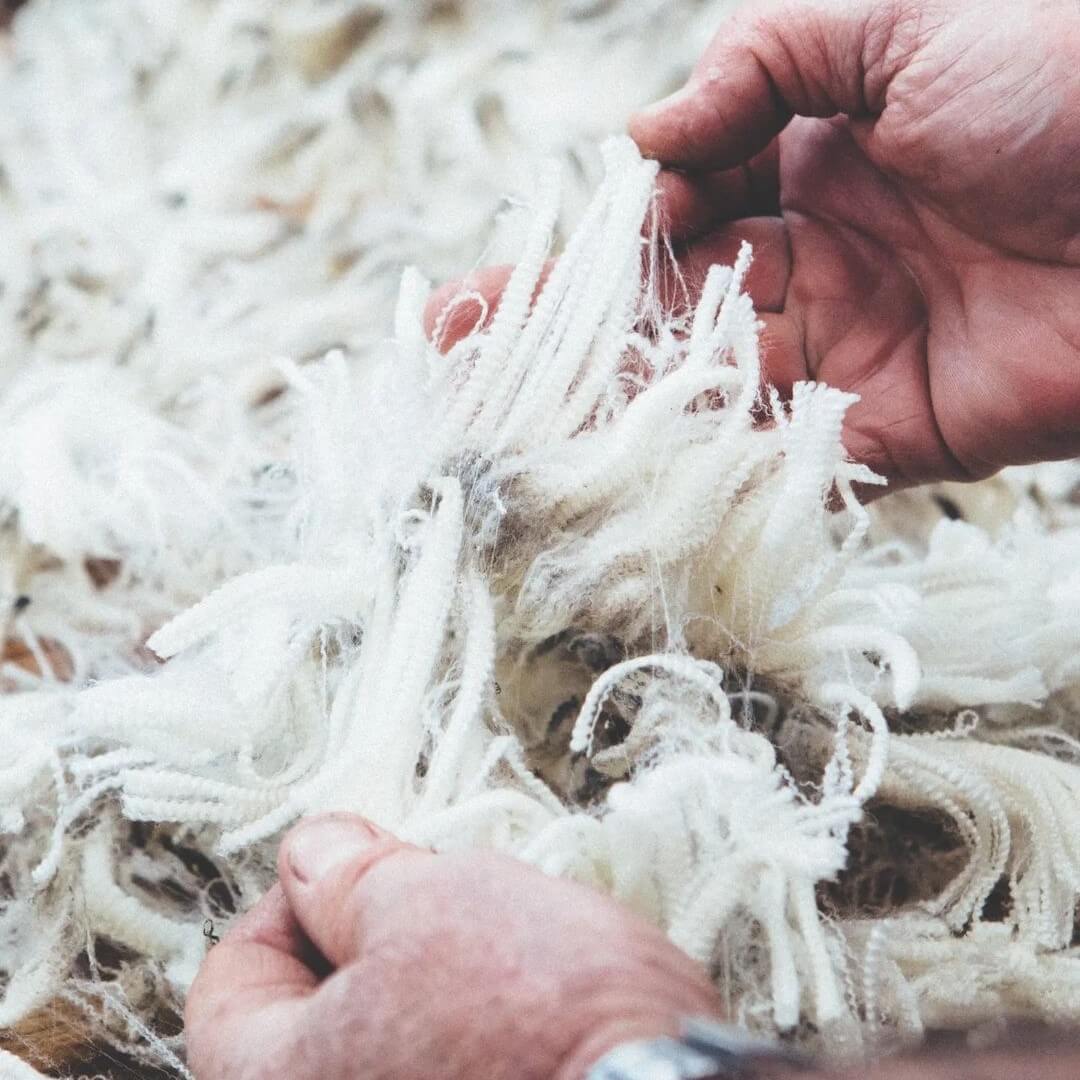
Merino wool - this is what the New Zealand label Icebreaker is known for. The animals are not harmed in the process of extracting the wool, and they are well supplied with food, drinks and, if necessary, medicine. In terms of sustainability, all suppliers must have an environmental plan. Here you'll find purpose-built products that meet the demands of an active lifestyle.
5. MARA HOFFMAN



PHOTOS @marahoffman
WEBSITE: https://marahoffman.com
The goal of the New York fashion label Mara Hoffman is clearly defined: To produce street style garments that reduce environmental impact. To raise environmental awareness, the brand works with organizations such as Earth Matter, Fabscrap, Fashion Positive and Queen of Raw. The careful production also includes that neither furs and leather nor sheep wool and feathers are used.
6. NIKIN



PHOTOS @nikinclothing
WEBSITE: https://www.nikinclothing.com
You can find sustainable and animal-friendly fashion for everyday life at the Swiss company Nikin. Here, vegan materials are used and leather and wool are left out. For buttons or zippers, the label uses recycled materials such as organic cotton, linen, sugar cane, cork oak or bamboo.
7. WILDLING SHOES

PHOTOS @wildling.shoes
WEBSITE: https://www.wildling.shoes
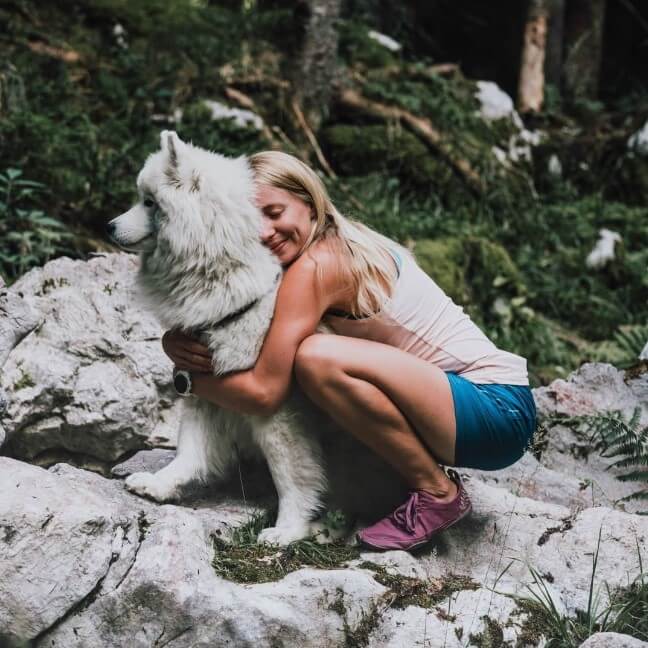
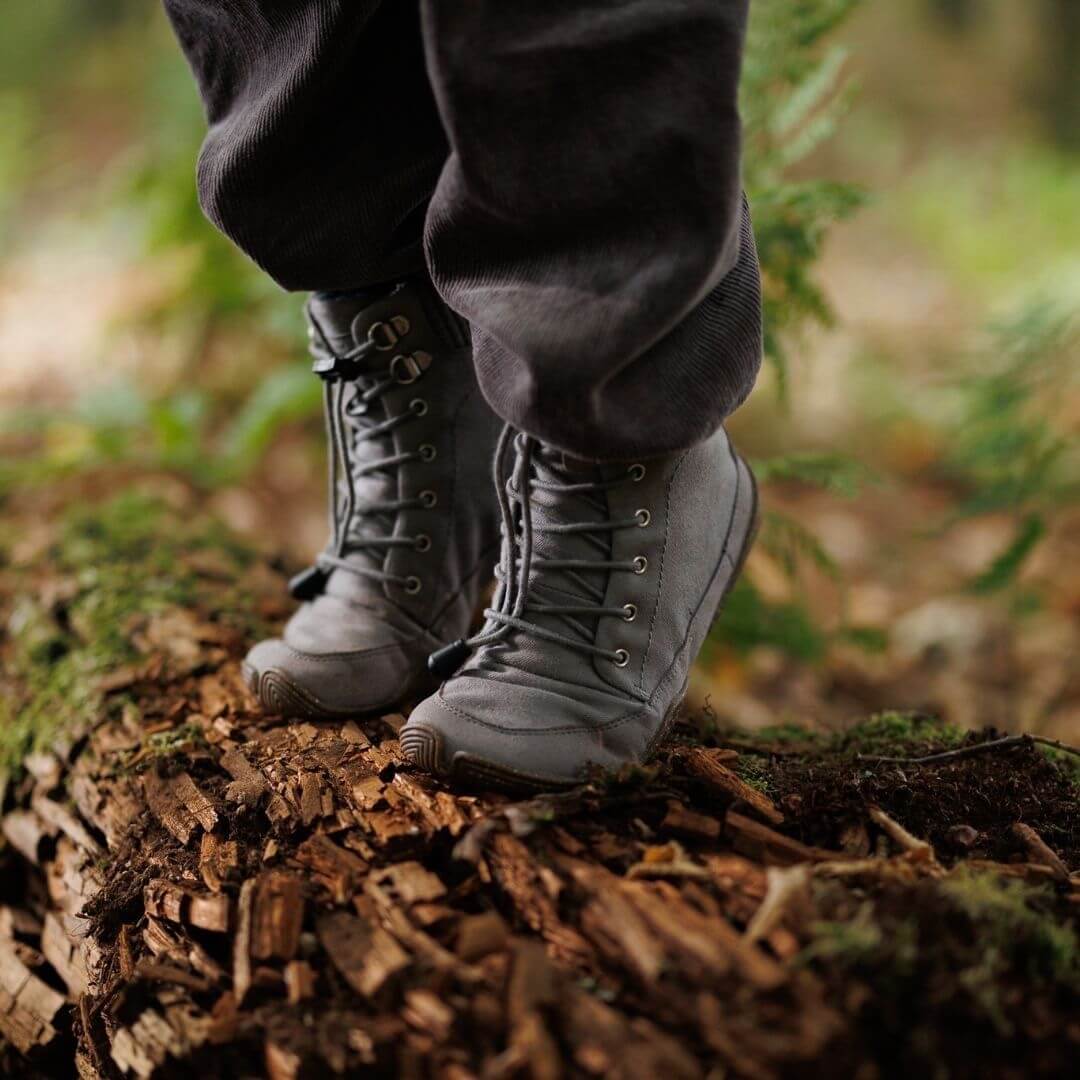
Wildling Shoes is a German brand that has developed a special minimal shoe concept and can offer something for every taste. The company pays attention to sustainable supply chains, so the shoes are handmade in Portugal. Furthermore, almost all shoes are vegan and certified natural materials like (organic) cotton, linen, hemp, cork or woolwalk are used as an alternative to plastic or leather.
8. MELINA BUCHER

PHOTOS @bucherbags
WEBSITE: https://melinabucher.com
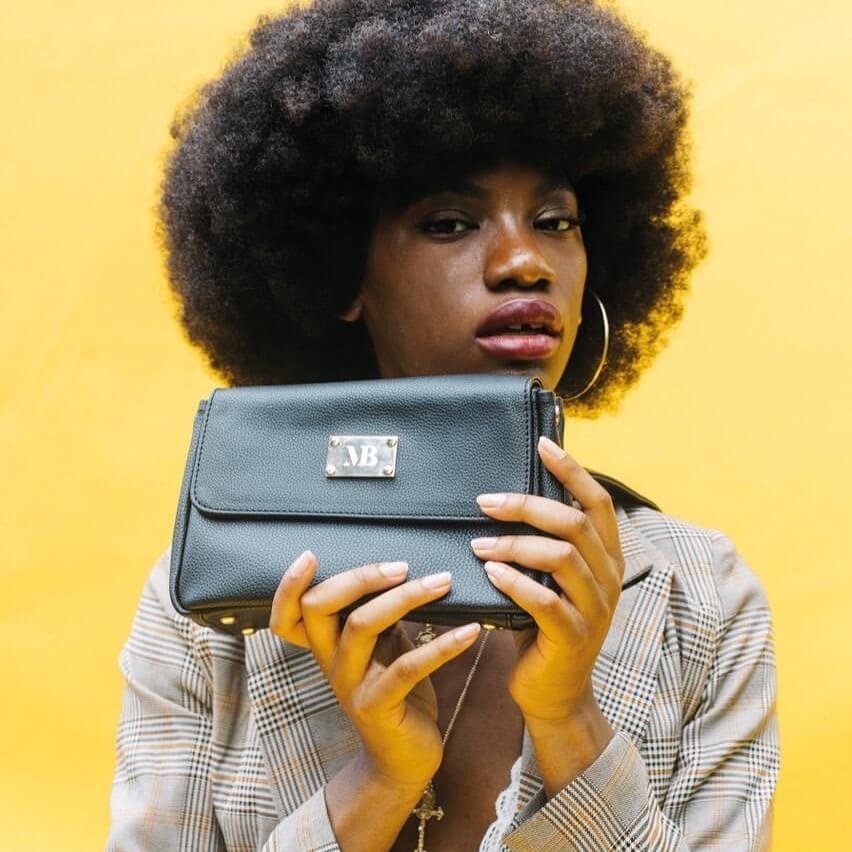
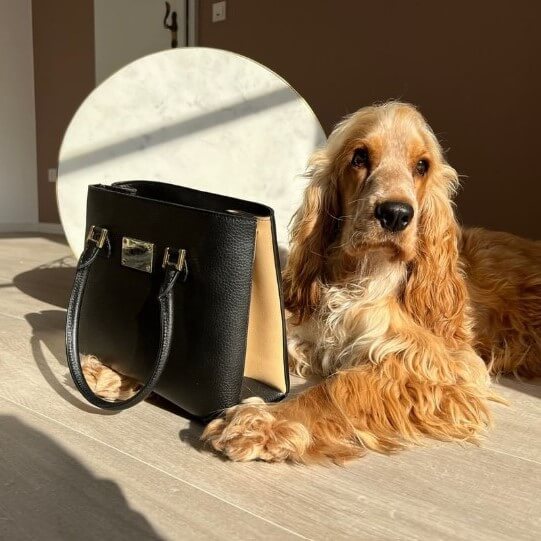
Auch Melina Buchers Mission setzt ein klares Statement: Die Modewelt zu einem ethischeren und nachhaltigeren Ort machen - und das gelingt mit ihren veganen Designer Handtaschen. Dabei wird jede Tasche in einer ausgewählten europäischen Manufakturen handgefertigt. Wichtig sind dem Label außerdem noch zukunftsweisende Materialien und nachvollziehbare Lieferketten.